What to Do When Your Roof Fails a Home Inspection
- 1- Understanding Roof Inspection Failures
- 2- Common Reasons Roofs Fail Home Inspections
- 3- Immediate Steps to Take After a Failed Inspection
- 4- Repair vs. Replace: What You Need to Know
- 5- How to Choose a Roofing Contractor for Repairs
- 6- Long-Term Roof Maintenance Tips
1- Understanding Roof Inspection Failures
When your roof fails a home inspection, it can be stressful, especially if you're in the process of selling or buying a home. A failed roof inspection usually points to underlying issues such as leaks, structural damage, or aging materials that could affect the safety and energy efficiency of your home. But don't panic; understanding the failure reasons and knowing how to address them can help you manage the situation effectively.

Holden Roofing (Houston Corporate) / holden roofing
RosenbergFort Bend CountyTexas
2128 1st St, Rosenberg, TX 77471, USA
2- Common Reasons Roofs Fail Home Inspections
There are several reasons why a roof might fail a home inspection. Here are the most common:
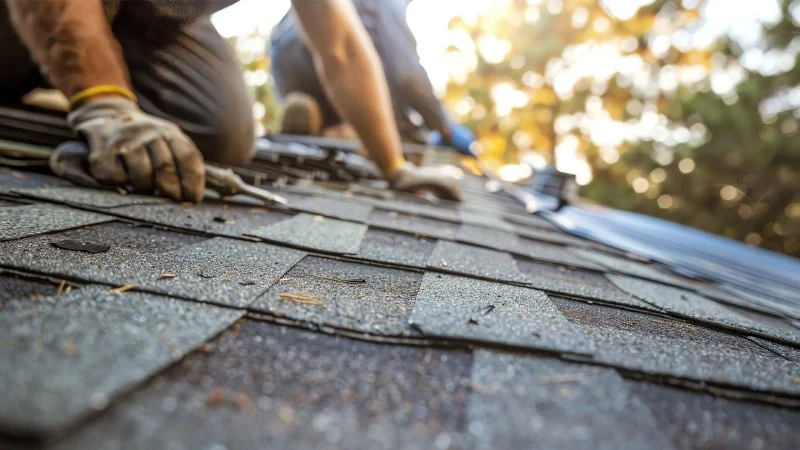
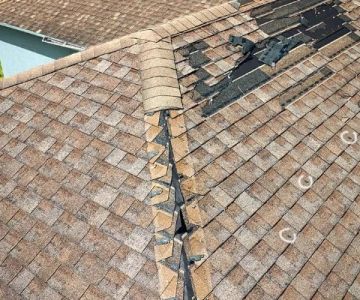
- Leaks: Water damage is one of the most obvious signs of a failing roof. Leaks can be caused by missing shingles, cracked flashing, or clogged gutters.
- Age of the Roof: If your roof is near or past its expected lifespan, it may fail inspection. Most roofs last around 20-30 years, depending on the material.
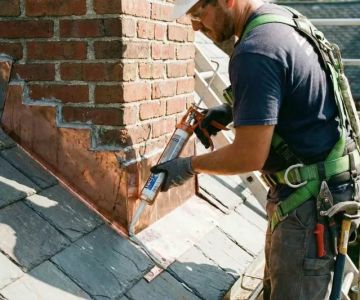
- Improper Installation: If the roof was not installed properly, it could lead to issues like inadequate ventilation or improper flashing around chimneys and vents.
- Missing or Damaged Shingles: Missing shingles leave the roof vulnerable to water damage, and damaged shingles can compromise the integrity of your roof.
- Moisture and Mold Growth: Excess moisture can lead to mold, which can cause significant damage over time and affect the roof structure.
3- Immediate Steps to Take After a Failed Inspection
Once your roof fails a home inspection, it's crucial to take immediate action to prevent further damage and reduce repair costs. Here’s what you should do:
- Review the Inspection Report: Ask the inspector for a detailed report of the issues and prioritize the most critical ones.
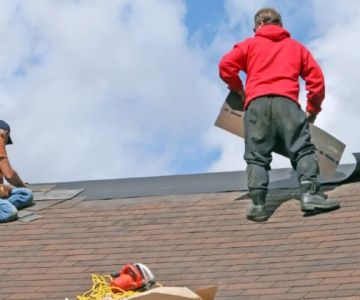
- Consult a Professional Roofer: Get a second opinion from a trusted roofing contractor who can provide an accurate estimate and recommend the best course of action.
- Get Temporary Repairs: If leaks are present, consider temporary fixes to prevent water damage, such as covering the area with a tarp until professional repairs are done.
4- Repair vs. Replace: What You Need to Know
One of the most significant decisions after a failed roof inspection is whether to repair or replace the roof. Here are some considerations:
- Cost of Repairs: If the roof is relatively new and the damage is localized, repairs may be the most cost-effective solution.
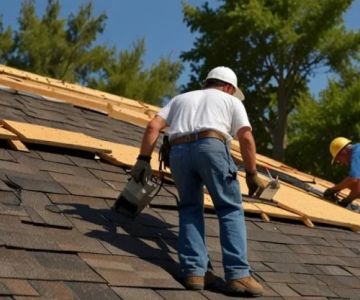
- Extent of Damage: If the damage is widespread or if the roof has reached the end of its lifespan, replacing the roof may be more economical in the long term.
- Future Repairs: If repairs will only buy you a few more years, it might be worth considering a full replacement now rather than continuing to patch up an aging roof.
5- How to Choose a Roofing Contractor for Repairs
Choosing the right contractor is key to ensuring the repairs or replacement are done correctly. Here are tips for finding a reliable roofer:
- Look for Experience: Choose a contractor with a proven track record of successful roof repairs or replacements.
- Get Multiple Estimates: Always get at least three estimates to compare prices and services.
- Check References: Ask for references and check reviews to ensure the contractor has a reputation for quality work.
6- Long-Term Roof Maintenance Tips
Once your roof is repaired or replaced, regular maintenance is crucial to extend its life and prevent future failures. Some essential tips include:
- Clean Gutters Regularly: Keep gutters free of debris to ensure water can flow properly off your roof.
- Inspect Your Roof Annually: Check for missing or damaged shingles and other signs of wear.
- Trim Overhanging Branches: Prevent damage from falling branches by keeping nearby trees well-trimmed.
If you’re in need of expert roofing services or products, visit Pro Found Roofing to find the best options for roof repairs and replacements.
 Cedar Roofing Company LLC - CRC4.0 (99 reviews)
 Best Home Solutions5.0 (2 reviews)
 ASM Construction0.0 (0 reviews)
 Matson's Roofing & Remodeling4.0 (1 reviews)
 Florida Roofing and Remodeling3.0 (7 reviews)
 Esteam Roofer5.0 (8 reviews)
 DIY Roof Repair Tips: Safely Fix Roof Issues Yourself
 How to Choose a Roof Color for a House with a Lot of Windows | Expert Tips
 A Comprehensive Guide to EPDM, TPO, and PVC Roofing Membranes for Flat Roofs
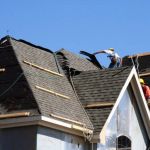 The Best Roofing Materials for a Home in a Wildfire-Prone Area (Class A)
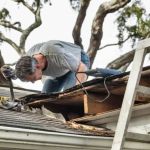 How to Handle Emergency Roof Repairs After a Severe Storm or Tree Fall | Pro Found Roofing
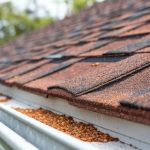 The Signs of an Aging Roof: Granule Loss, Brittle Shingles, and Sun Damage