
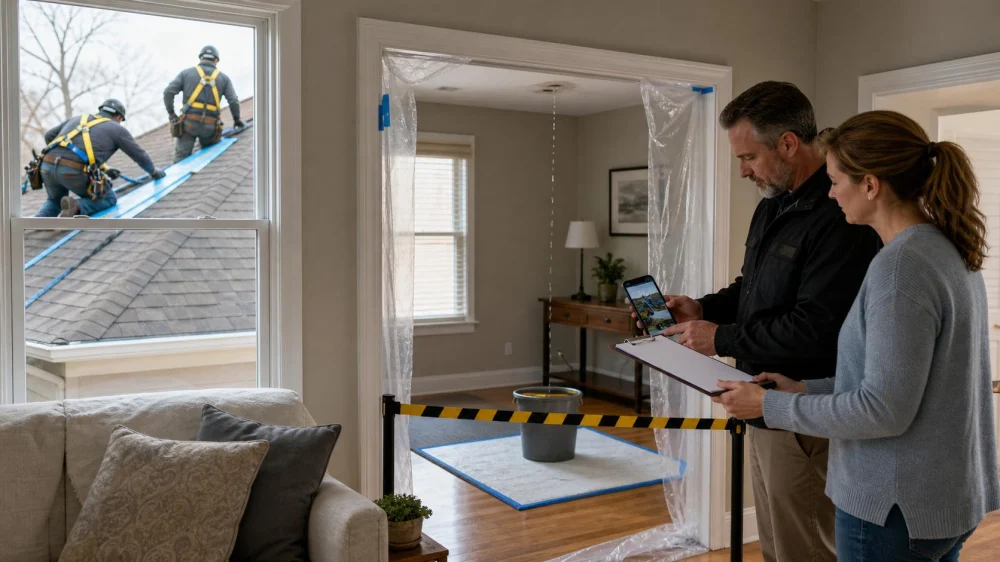
Roof Leak During Replacement: Stop Work and Document the Response
On this page
Quick answer
If rain enters while a roof is being replaced, keep everyone away from sagging ceilings and wet electrical areas, move valuables only when safe, contain minor drips, and call the roofing project lead immediately. Do not climb onto the roof or install a tarp yourself. Ask the contractor to stop exposed work, use trained workers and fall protection, make the assembly weather-tight, photograph open conditions, and provide a written incident and repair plan.

SB Pro Roofing / sb pro roofing
Pinellas ParkPinellas CountyFlorida
6358 49th St N, Pinellas Park, FL 33781, USA
Protect people and interiors
- Clear the area below bulging, cracked, stained, or rapidly wet ceilings.
- Do not touch wet lights, outlets, panels, appliances, or cords.
- From a dry safe location, shut off an affected circuit only if you know the correct control and there is no water at the panel.
- Use containers and plastic sheeting for small drips only where ceiling and electrical conditions are safe.
- Move documents, electronics, furniture, and textiles away from water without standing below damage.
- Call emergency services for collapse, fire, sparking, injury, or other immediate danger.
Do not puncture a sagging ceiling; stored water and damaged materials can fall suddenly. A qualified professional should control the hazard.
Lance Roofing & Siding Inc. / lance roofing and siding
6903 Dayton Springfield Rd, Enon, OH 45323, USA
Contact the site lead
Give the address, room, first observation time, weather, flow rate, ceiling condition, and electrical concerns. Ask who is on the way, what temporary weatherproofing will be used, and how interior damage and drying will be handled. If the crew has left, use the written after-hours number.
OSHA describes roofing weatherproofing as work requiring fall protection and highlights slick surfaces, wind, loose materials, and structural integrity as hazards. Homeowners should observe from the ground; the employer must provide trained workers and safe systems.
Build the incident record
- Photograph and video interior water paths, belongings, ceiling, walls, and floor.
- Record times, weather, calls, messages, crew arrivals, and actions.
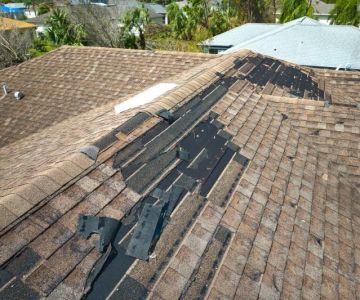
- Request contractor photos of exposed deck, underlayment, flashings, openings, temporary cover, and final repair.
- Save the contract, weather-delay plan, daily logs, change orders, permits, and product documents.
- Notify the property owner, insurer, and other required parties promptly without assigning cause before investigation.
- Preserve damaged materials only when safe and useful to the claim.
Confirm dry-out and repair
Weather-tight does not mean dry. Ask who measures moisture in insulation, sheathing, drywall, flooring, and concealed cavities; what will be removed or dried; and how readings and completion are documented. Wet insulation and finishes may require specialised remediation.
Before roofing resumes, request the cause, affected area, temporary protection, permanent repair detail, manufacturer implications, inspection needs, schedule impact, and responsibility in writing. Do not accept new finish over damp or damaged materials without a documented assessment.
Leak-response checklist
- Unsafe rooms and wet electrical areas cleared
- Roofing site lead contacted
- Trained weatherproofing response requested
- Interior condition and timeline recorded
- Roof-open and repair photos requested
- Owner, insurer, and required parties notified
- Moisture assessment and dry-out scope written
- Permanent repair and warranty impact documented
- Final moisture, repair, and closeout records saved
Limitations
Water can travel far from the entry point and hide in assemblies. Surface dryness does not confirm safe moisture levels. Contract and insurance responsibility depends on facts and law. This guide is general incident management, not electrical, structural, remediation, insurance, or legal advice.
FAQ
Should the crew keep working in rain?
The employer must assess weather and safe footing. The priority is trained, safe weatherproofing—not rushed installation.
Can I put a tarp on from inside?
Do not enter unsafe attics or alter the assembly without direction. Contact the contractor.
Who pays for interior damage?
Document first and review the contract, cause, insurance, and applicable law with the relevant parties.
Is a dry ceiling enough?
No. Concealed insulation, wood, and cavities may remain wet and need measurement.
Should roofing resume immediately?
Only after safe weatherproofing, cause assessment, wet-material decisions, and a documented repair plan.
Evidence notes
OSHA residential roofing guidance says fall protection is critical during weatherproofing and identifies wet surfaces, wind, loose material, and structural condition as serious hazards. See OSHA residential fall-protection guidance and OSHA re-roofing safety guidance.
Conclusion
Protect occupants first, then require a trained weatherproofing response, a complete incident record, moisture assessment, and written permanent repair. The goal is not only to stop the drip but to verify that the roof and interior are sound and dry.
 IBEX Roof5.0 (102 reviews)
 The Roofing Experts Lennox4.0 (52 reviews)
 Hands On Roofing Co4.0 (22 reviews)
 JLQ Roofing and Siding4.0 (23 reviews)
 Thomas Krum Consulting3.0 (3 reviews)
 T & L Roofing Experts LLC5.0 (21 reviews)
 What is a Roofing Warranty? Understanding Manufacturer vs. Contractor Warranties
 Roofing Contractor's Liability Insurance: Why It’s Crucial for Your Protection
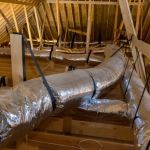 The Best Ventilation Systems for a Hot Attic: Reducing Heat Buildup in Summer
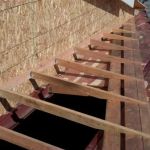 What is a Roofing Cricket? How to Frame a Cricket for a Skylight
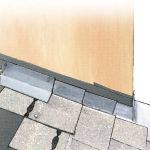 How to Install Step Flashing on a Roof to Wall Intersection
 How to Get a Detailed Roofing Quote That Includes All Labor and Materials