
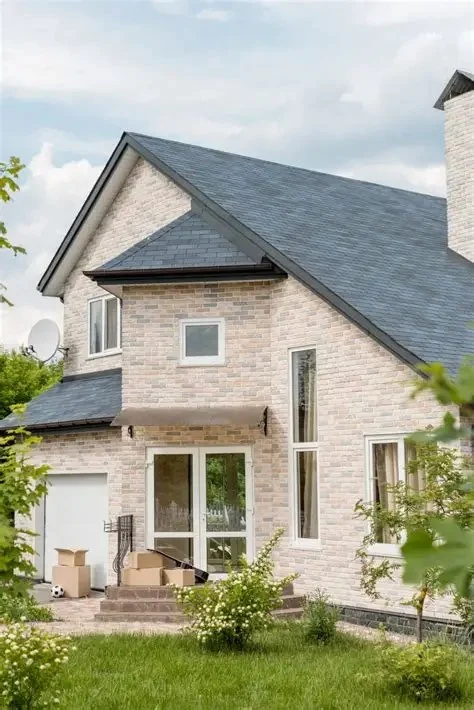
1. The Impact of Roof Pitch on Material Choice, Cost, and Installation
When building or renovating a home, one of the most important aspects to consider is the roof. While the style, color, and shape of your roof can contribute to the overall look of your home, the roof pitch plays a critical role in determining the material choices, installation complexity, and costs associated with your roof. Whether you are building a new home or replacing an existing roof, understanding the impact of roof pitch is essential for making the best decisions for your project. In this article, we’ll explore how roof pitch influences material selection, costs, and the installation process.

Gunner Roofing / gunner roofing
CromwellLower Connecticut River Valley Planning RegionConnecticut
700 Corporate Row, Cromwell, CT 06416, USA
2. Why Roof Pitch Matters
The pitch of a roof refers to its slope, typically expressed as a ratio of the rise (vertical height) to the run (horizontal length). A steep roof pitch can dramatically affect not only the aesthetic appeal of a building but also its functionality, especially in terms of water drainage and snow load management. Roof pitch also influences the types of materials that are suitable for use and how much the installation will cost.
Understanding roof pitch is critical for ensuring that you select the right roofing materials and that your roof is properly designed to handle environmental factors like rain, snow, and wind. Let’s take a deeper look at how roof pitch impacts material choices and overall costs.
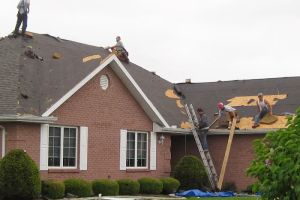
Lance Roofing & Siding Inc. / lance roofing and siding
6903 Dayton Springfield Rd, Enon, OH 45323, USA
3. 1. Impact of Roof Pitch on Material Choice
The angle or steepness of your roof will largely determine which materials are suitable for your project. Different materials have varying requirements when it comes to the roof pitch to ensure proper drainage, durability, and performance. Below are some common materials and how roof pitch impacts their suitability:
- Asphalt Shingles: Asphalt shingles are one of the most common roofing materials and are versatile for a range of roof pitches. They can be used on low to steep-pitched roofs. However, on very low-pitched roofs (below 3:12), asphalt shingles may not provide adequate water drainage and may require special installation techniques.
- Clay and Concrete Tiles: These materials are best suited for medium to steep-pitched roofs. Their heavy weight and interlocking design make them ideal for sloped roofs where water runoff is essential. On low-pitched roofs, they may not be as effective unless additional measures, such as an underlayment, are used.
- Metal Roofing: Metal roofing is highly adaptable and can be installed on a wide range of roof pitches. However, steep-pitched roofs (6:12 or steeper) are ideal for metal roofing because they allow for quicker water runoff, preventing issues with standing water.
- Slate Roofing: Slate is typically used on steep-pitched roofs. Due to its weight and rigidity, it is best suited for roofs with a higher pitch, which will ensure proper drainage and prevent damage to the tiles over time.
Choosing the right material for your roof pitch is essential for long-term performance and minimizing maintenance costs. Ensuring compatibility between the material and pitch will help protect your investment and reduce the likelihood of leaks or water damage.
4. 2. Cost Impact of Roof Pitch
The cost of roofing materials, as well as installation, can vary significantly depending on the roof pitch. A steeper pitch often requires more labor and specialized materials, leading to higher installation costs. Here’s how roof pitch can affect costs:
- Steeper Roof Pitches: Steeper roofs require more materials and labor to install due to the increased difficulty of working at high angles. Roofing installers may need to use scaffolding or special equipment to ensure safety, which can add to the overall cost.
- Low-Pitched Roofs: On the other hand, low-pitched roofs (less than 4:12) may be easier to install, but they often require specific materials or underlayment to ensure water drainage. This can increase the cost of materials, as special products may be needed to meet building codes.
- Roof Area: The steeper the pitch, the more surface area there is to cover. This can increase material costs as well as labor costs, as additional time is required to properly install roofing materials on a larger area.
Ultimately, the steeper the roof pitch, the more expensive the roof will likely be to install. It’s important to account for these factors when budgeting for your roof replacement or new construction project.
5. 3. Roof Pitch and Installation Complexity
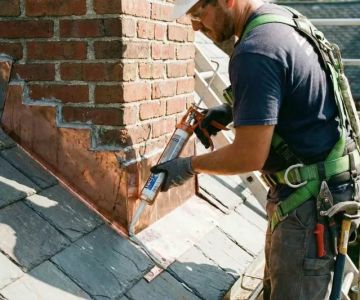
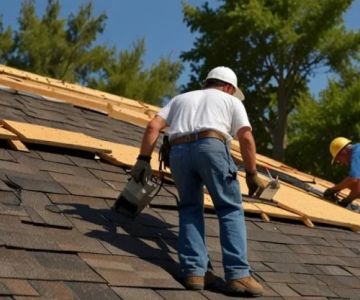
Installation complexity is another significant factor influenced by roof pitch. Steep roofs are more challenging to install, requiring specialized skills and tools. For example, installers will need to use harnesses and safety gear to prevent accidents while working at height. Additionally, steeper pitches can make it more difficult to install certain materials correctly, especially those that require precise alignment, such as tile or slate roofing.
On the other hand, low-pitched roofs tend to be less complex to install but may require a more thorough inspection and careful installation of underlayment to ensure water flows properly off the roof. The level of expertise required for your roof installation will depend heavily on the pitch, which is why it’s important to hire experienced professionals for the job.
6. 4. Case Study: The Importance of Pitch in Roof Installation
Consider a recent roofing project completed in London where the homeowner wanted to install a slate roof. The pitch of the roof was quite steep, and the installers had to take extra precautions to ensure the tiles were properly aligned and securely attached. The steepness of the roof led to higher costs for both materials and labor. However, the homeowner was willing to invest in a higher-quality roof that would last longer and provide better protection against heavy rainfall, which is common in the region.
This case study highlights the impact of roof pitch on material choice and the overall cost of installation. While a steep roof pitch may lead to higher upfront costs, it can provide long-term benefits in terms of durability and protection against weather conditions.
7. 5. Choosing the Right Roof Pitch and Materials for Your Project
When selecting the right roof pitch and materials for your project, it’s essential to consult with roofing professionals who can assess your home’s unique needs. They can help you choose the ideal pitch that will balance aesthetics, functionality, and cost. Additionally, they will guide you in selecting the best materials suited for your chosen pitch, ensuring the longevity and durability of your roof.
8. 6. Using Pro Found Roofing for Expert Roofing Services
If you’re considering installing or replacing a roof, visit Pro Found Roofing for expert guidance on roof pitch, materials, and installation. Our team of experienced professionals can help you select the right options for your home and ensure a smooth and cost-effective installation process. Visit our website today to learn more about our roofing services and get started on your project.

 Simpson Roofing Co5.0 (14 reviews)
 All Star Roofing Co0.0 (0 reviews)
 Roofing America5.0 (7 reviews)
 Power Roofing & Siding Long Island5.0 (6 reviews)
 Premier Group Roofing Contractors4.0 (10 reviews)
 Premier Exteriors4.0 (146 reviews)
 Installing a Skylight on an Existing Roof: Challenges, Costs, and Leak Prevention
 The Best Roofing Materials for a Lake House with High Humidity
 Roofing Contractor's Liability Insurance: Why It’s Crucial for Your Protection
 The Best Roofing Materials for Homes in Areas with Frequent Earthquakes
 What is a Roofing Square? How to Calculate the Area of a Hip Roof
 10 Essential Roofing Maintenance Tips Every Homeowner Should Know